Credit cards, a car payment, a medical bill, a loan or two. When debt piles up it can feel like you will never catch up, but you can, one step at a time. Each way below shows how long it takes and what it costs.
Quick answer
To manage debt, list everything you owe, keep up with every minimum payment, and put any extra money toward one debt at a time, either the highest interest rate first or the smallest balance first. Call your creditors to ask for a hardship plan or a lower rate, and if you feel stuck, a nonprofit credit counselor can help for free or at low cost.
- Pay at least the minimum on every debt, and put it on autopay.
- The avalanche saves the most interest. The snowball gives faster wins. Both work.
- Californians who earned $32,900 or less could get up to $3,756 from CalEITC for 2025. See way 7.
- Never pay a debt relief company before it settles a debt. Real help is often free.
On this page
Where to start
See the whole picture
Pick a payoff plan
Lower what you pay
See the whole picture
1List every debt in one place
Write down every debt you have: who you owe, the balance, the interest rate, the minimum payment and the due date. A notebook or a simple spreadsheet works fine. Seeing it all in one place is often less scary than guessing, and it is the list you will use for every step below.
2Check your free credit reports
You can get a free credit report from Equifax, Experian and TransUnion every week at AnnualCreditReport.com, the only official site for free reports. Look for old accounts, collections or balances missing from your list, and anything that does not look right. Learn more in our guide to understanding your credit score.
3Cover the basics first, then every minimum
Make a simple budget. Pay for housing, utilities, food and getting to work first, then make at least the minimum payment on every debt so you avoid late fees and higher rates. Whatever is left over is your extra money for debt, and the 50/30/20 budget rule is an easy place to start.
Pick a payoff plan
4Avalanche: pay the highest rate first
Pay the minimum on everything, then put every extra dollar toward the debt with the highest interest rate. When it is paid off, move on to the next highest rate. This usually saves the most money, because high interest credit cards cost you more every month you carry a balance.
5Snowball: pay the smallest balance first
Pay the minimum on everything, then put every extra dollar toward the smallest balance, no matter the rate. When it is gone, roll that whole payment into the next smallest debt. You may pay a bit more interest than with the avalanche, but crossing debts off fast keeps many people going. The best plan is the one you will stick with.
6Put every minimum payment on autopay
Set up automatic payments for at least the minimum on each account, timed for a day or two after payday so the money is there. A missed payment can bring a late fee, a higher rate and a mark on your credit report. Then make your extra payment by hand to the one debt you are focused on.
7Claim CalEITC and put refunds toward debt
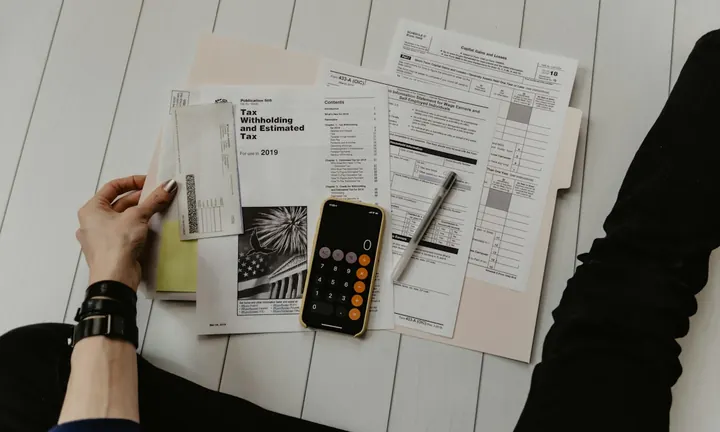
For tax year 2025, California's Earned Income Tax Credit was worth up to $3,756 for workers who earned $32,900 or less, and the Young Child Tax Credit added up to $1,189 for a child under 6. You must file a California return to get them, which you can do free with CalFile or at a VITA site. You can usually still claim up to four past years, so send part of any refund straight to your focus debt.
Lower what you pay
8Call and ask for a hardship plan
If you cannot make a minimum payment, call the number on your statement before you fall behind. Many card companies and lenders have hardship programs that can lower your payment or interest rate for a while, or let you skip a payment. Explain what happened and how much you can pay, and ask about fees and how the plan will show on your credit report.
9Ask for a lower interest rate
If you are current on a credit card, call and ask for a lower rate. Mention how long you have been a customer and your record of on time payments. The answer may be no, but even a few points lower means more of each payment goes to the balance instead of interest.
10Ask the hospital for financial help
California hospitals have discount and charity care programs for patients with no insurance or high medical costs whose family income is no more than 400% of the federal poverty level, about $132,000 a year for a family of four in 2026. You can apply at any time, even after a bill goes to collections, and your immigration status does not matter. Look for "Help Paying Your Bill" on the hospital's website, and ask about a payment plan for anything left.
11Federal student loans: ask for a lower payment
Log in at StudentAid.gov or call your loan servicer and ask about a repayment plan based on your income. You never have to pay for this help. If a company asks for an enrollment or monthly fee to lower your federal student loan payment, walk away.
12Cut your other bills to free up cash
Every dollar you save on bills can go toward debt. The CARE program takes 30% to 35% off electric bills from large California utilities and 20% off gas for households that qualify, CalFresh helps with groceries, and dialing 2-1-1 connects you with local help for food, utilities and more. See our guides to help paying your electric bill and saving money every month.
Get free help
13Talk to a nonprofit credit counselor
A certified credit counselor goes over your income, bills and debts with you and helps you build a plan. Most agencies in the National Foundation for Credit Counseling (NFCC) offer counseling for free. Reach one at nfcc.org or 877-360-6322, or choose an agency from the U.S. Trustee Program's approved list.
14Ask about a debt management plan
With a debt management plan, a nonprofit credit counseling agency works with your card companies to lower interest rates or fees. You make one monthly payment to the agency, and it pays your creditors for you. Plans can take four years or more, and you usually close most of the card accounts in the plan, so ask for every fee in writing before you sign up.
15Check any debt relief company before you sign
Walk away from any company that charges a fee before it settles a debt, guarantees it can make your debt go away, tells you to stop talking to your creditors, or talks up a "new government program" for credit card debt. Before you sign, look the company up on the website of the California Department of Financial Protection and Innovation (DFPI), dfpi.ca.gov. You can report a problem to the DFPI at 866-275-2677.
What to avoid when you are paying down debt
- Debt relief companies that charge fees before they settle any of your debts or promise to make your debt go away.
- Missing minimum payments, which can add late fees and higher rates and hurt your credit.
- Ignoring letters and calls from creditors or collectors. Problems get harder to fix the longer they wait.
- Borrowing to pay other debts, which can trap you in a cycle of new fees.
- Paying anyone for help with federal student loans. Your loan servicer helps for free.
Frequently asked questions
How do I start paying off debt?▾
List everything you owe, keep every minimum payment current, and pick one payoff plan: the avalanche, which pays the highest interest rate first, or the snowball, which pays the smallest balance first. Then look for ways to lower what you pay.
Is the avalanche or snowball method better?▾
The avalanche usually saves more money because you pay off the highest interest debt first. The snowball pays off small balances first, which gives you quick wins and helps many people stick with it. The best method is the one you will keep using.
Where can I get free help with debt in California?▾
Start with a nonprofit credit counselor through nfcc.org or 877-360-6322. Dial 2-1-1 for local help with bills, file your taxes free with CalFile or VITA to claim CalEITC, and check any debt relief company with the DFPI before you sign.
How can I tell if a debt relief company is a scam?▾
Walk away if a company charges fees before it settles any of your debts, guarantees it can make your debt go away, tells you to stop talking to your creditors, or talks up a new government program to wipe out credit card debt. In California, you can look a company up on dfpi.ca.gov or call the DFPI at 866-275-2677.
What if I cannot afford my minimum payments?▾
Call your creditors before you miss a payment and ask about a hardship plan, then talk to a nonprofit credit counselor about a plan you can afford. If your debt is more than you could ever repay, a nonprofit credit counselor or a licensed attorney can explain bigger options.
A one time expense before payday?
If a one time expense leaves you a little short, you can borrow $100 to $255 online with one flat fee shown before you sign, and repay it in one payment on your next payday. It is not a fix for ongoing debt.